
What Happens During an Adult Hearing Test?
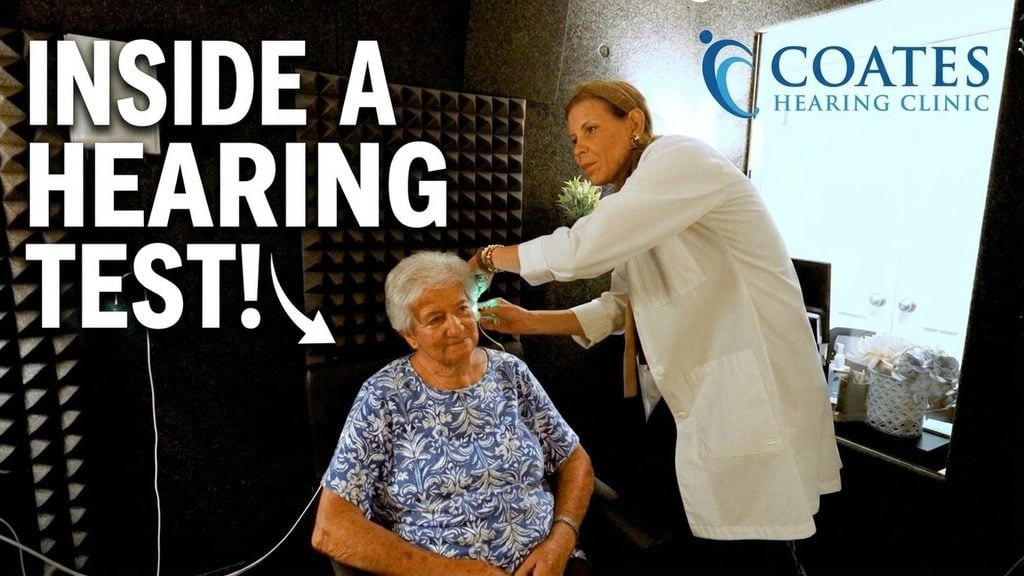
If you have never had a hearing test before, you may not know what to expect when you walk into an audiologist’s office.
What are they testing? Do the tests hurt? What are all those machines for? And what actually happens during a hearing evaluation?
A hearing test is a straightforward process designed to give your audiologist a better understanding of how your ears and hearing are functioning. In this blog, we’ll walk through what you can typically expect during an adult hearing evaluation.
What Happens Before the Hearing Test?
The first part of your appointment is a conversation.
Your audiologist will ask about what you have been experiencing, any concerns you have about your hearing, and your hearing history. You may also discuss your medical history, medications, noise exposure, or other factors that could be relevant to your hearing.
This conversation helps your audiologist understand your concerns before testing begins.
It is also a good time to mention specific situations where you have trouble hearing, such as:
- Following conversations in restaurants
- Understanding people when there is background noise
- Hearing the television
- Asking people to repeat themselves
- Hearing certain voices or sounds
Your everyday experiences are an important part of understanding your hearing health.
Looking Inside Your Ears
Next, your audiologist will typically examine your ears using an otoscope.
An otoscope allows your audiologist to look inside your ear canal and examine your eardrum. This can help identify anything visible that could be affecting your hearing.
The examination is quick and should not be painful.
What Is Tympanometry?
Depending on your evaluation, your audiologist may also perform a test called tympanometry.
Tympanometry looks at how your eardrum and middle ear are functioning. During the test, you may feel a small amount of pressure in your ear, but the test only takes a few seconds.
This gives your audiologist additional information about the health and function of your middle ear.
The Hearing Test
When most people think of a hearing test, this is probably the part they picture.
You will wear headphones or ear inserts while your audiologist plays different sounds at different pitches and volumes.
Your job is simple: respond whenever you hear a sound.
The goal is to determine the softest sounds you can hear across different frequencies. This helps your audiologist understand how well you are hearing different pitches and where hearing loss may be present.
There are no right or wrong answers. The test is simply measuring what you can hear.
What Is an Audiogram?
Once your hearing test is complete, your audiologist will review your results with you.
Your results are displayed on an audiogram, which is a visual representation of your hearing across different frequencies and sound levels.
Your audiologist can explain what your results mean, including whether you have hearing loss, what type or degree of hearing loss you may have, and how it could affect your everyday life.
This part of the appointment is important because your results are not just numbers on a chart. They can help explain some of the hearing difficulties you may be experiencing in your daily life.
Does a Hearing Test Hurt?
For most adults, a standard hearing evaluation is a simple and non-invasive process.
Looking inside your ears should not be painful, and while tympanometry can create a brief sensation of pressure, it only lasts a few seconds. The hearing test itself simply involves listening to sounds and responding when you hear them.
If you have questions or concerns about any part of the evaluation, let your audiologist know. They can explain what they are doing and what you should expect.
When Should You Get Your Hearing Checked?
You do not have to wait until your hearing loss significantly affects your everyday life before having your hearing evaluated.
If you have noticed changes in your hearing, frequently ask people to repeat themselves, have difficulty understanding conversations in noisy environments, or simply have concerns about your hearing, an evaluation can help you understand what is going on.
A hearing evaluation gives you information about your current hearing health and allows you to discuss any concerns with a hearing professional.
Understanding Your Hearing Is the First Step
A hearing evaluation is about more than determining whether you have hearing loss.
It gives you an opportunity to understand how your hearing is functioning, discuss the challenges you may be experiencing, and learn about options that may be available based on your individual needs.
If you have been putting off a hearing test because you are not sure what to expect, knowing the process can make that first appointment feel a little less intimidating.
If you have noticed changes in your hearing, schedule an evaluation with a hearing professional to better understand your hearing health and what steps may be right for you.
