
Ménière’s Disease Explained: Symptoms, Hearing Loss, and What to Do Next
When people think about hearing loss, they often assume it only affects older adults.
Jordan Coates knows that’s not true.
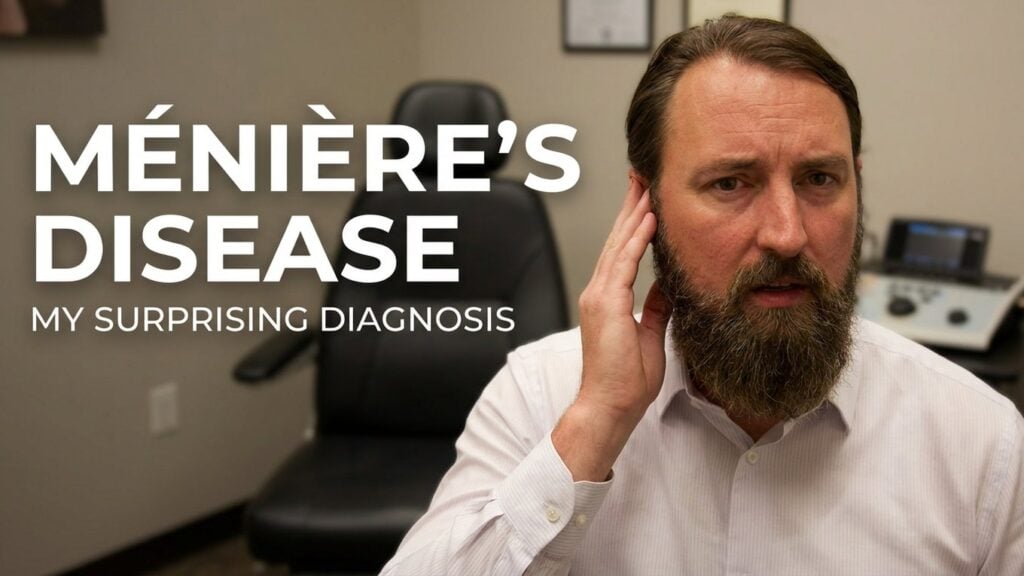
As the CEO of Coates Hearing Clinic, Jordan has spent years helping patients navigate hearing loss. But at just 35 years old, he found himself on the other side of the exam room after being diagnosed with Ménière’s disease—a chronic inner ear disorder that affects hearing, balance, and quality of life.
His personal journey has not only changed his own life but also deepened his understanding of what many patients experience every day.
What Is Ménière’s Disease?
Ménière’s disease is a disorder of the inner ear that typically affects one ear and is characterized by a combination of symptoms, including:
- Hearing loss
- Vertigo (severe dizziness)
- Tinnitus (ringing or other sounds in the ear)
- A feeling of fullness or pressure in the ear
- Muffled hearing
Unlike age-related hearing loss, Ménière’s disease often develops unexpectedly and can affect adults of many ages.
While researchers still don’t know the exact cause, treatment focuses on managing symptoms and preserving hearing whenever possible.
Jordan’s Story: Living With Ménière’s Disease
Jordan was diagnosed in 2014 after developing hearing loss in one ear.
At first, his symptoms came and went.
Over time, however, they became much more disruptive.
Vertigo attacks made it difficult to drive, work, and function normally. Eventually, the hearing loss became severe enough that he struggled to tell where sounds were coming from because he could only hear clearly with one ear.
Like many patients, Jordan admits he spent time minimizing his symptoms.
Despite working in hearing healthcare—and even marrying an audiologist—he found himself in denial.
That’s something he now sees regularly in patients.
Hearing loss often develops gradually, making it easy to adapt without realizing how much has changed.
Why People Delay Treatment
One of the biggest lessons Jordan learned from his own experience is that hearing loss isn’t just physical—it’s emotional.
Many people avoid seeking help because they believe:
- Hearing loss only affects older adults.
- Their symptoms aren’t “bad enough.”
- They’ll simply adjust over time.
- Hearing aids aren’t for someone their age.
Unfortunately, delaying treatment can make hearing loss more challenging to manage.
Untreated hearing loss has also been linked to increased risks of:
- Social isolation
- Depression
- Falls and balance problems
- Cognitive decline
Recognizing hearing loss early allows patients to explore treatment options before symptoms become more disruptive.
How Is Ménière’s Disease Treated?
There is currently no cure for Ménière’s disease.
However, there are many ways to manage symptoms and improve quality of life.
Depending on the individual, treatment may include:
- Steroids or anti-inflammatory medications
- Prescription medications such as betahistine
- Diuretics to help regulate inner ear fluid
- Lifestyle modifications
- Sodium reduction
- Limiting caffeine
- Managing allergies and other triggers
- Hearing aids
- Surgical intervention in select cases
Jordan eventually underwent an endolymphatic sac decompression procedure after consulting with a specialist.
While recovery took time, the surgery helped reduce the severity of his symptoms and improved his daily life.
The Importance of Identifying Your Triggers
Ménière’s disease looks different for every patient.
Some people experience flare-ups during allergy season.
Others notice symptoms after consuming too much sodium or caffeine.
For Jordan, reducing sodium intake and monitoring caffeine have become important parts of managing the condition.
Learning your personal triggers can be an important step toward reducing the frequency and severity of episodes.
How Hearing Loss Changed Jordan’s Perspective
Although the vertigo was difficult, Jordan says the hearing loss had the greatest impact on his daily life.
Even with hearing loss in just one ear, he noticed:
- Missing parts of conversations
- Frequently saying “What?”
- Difficulty locating sounds
- Increased listening effort
- Frustration in social situations
That experience has given him a deeper appreciation for what many patients live with every day.
It has also strengthened his commitment to helping others seek treatment sooner rather than waiting years as he did.
Why One-Sided Hearing Loss Should Never Be Ignored
One of the most important messages Jordan shares is this:
If your hearing loss is noticeably worse in one ear, it’s time to see an audiologist.
Our ears typically age together.
When hearing loss is significantly different between ears, it may indicate an underlying medical condition that requires further evaluation.
In some cases, hearing loss may simply require treatment with hearing aids.
In others, additional testing may be needed to rule out more serious causes.
The first step is always a comprehensive hearing evaluation.
Hearing Loss Doesn’t Have to Limit Your Life
Jordan often tells patients that one of the hardest parts of hearing loss is the isolation it can create.
People begin avoiding restaurants.
They stop participating in conversations.
They withdraw from family gatherings because it’s exhausting trying to keep up.
The good news is that treatment can help people reconnect with the people and moments that matter most.
At Coates Hearing Clinic, our goal is to make hearing healthcare approachable, personalized, and available to anyone ready to take that first step.
If You’re Experiencing These Symptoms, Don’t Wait
If you’re experiencing:
- Hearing loss
- Ringing in one or both ears
- Vertigo
- Ear fullness or pressure
- Hearing that’s worse in one ear than the other
schedule a comprehensive hearing evaluation.
Our audiologists regularly work with patients experiencing Ménière’s disease and other causes of hearing loss. We’ll help identify what’s causing your symptoms and guide you toward the treatment plan that’s right for you.
Better hearing starts with one conversation.
Contact Coates Hearing Clinic today to schedule your hearing evaluation and take the first step toward hearing more clearly, feeling more confident, and staying connected to the people who matter most.
